






Pansophia

Category Quick Links
🏃
Movement
🫀
Resonance
🌡
Regulation
🪨
Grounding
🧠
Body Memory
💀
Memento mori
👃
Senses
🛌
Rest
🌊
Co-regulation
🌪
Trauma
⚠️
Perfectionism
🧠
Nervous System
🧠
Neuroception
🍽
Inner Hunger
💦
Sweat
⚖️
Autonomic Balance
🔁
Hormones
🌊
Emotion
📣
Sensory Overload
🧘
Somatics
👿
Misanthropy
🌬
Breath
🌪
The Gut
🕸
Fascia
💧
Lymph
🧘♀️
Embodiment
🖐
Touch
🫁
Interoception
🧱
Pain
🌀
Polyvagal Theory
🪑
Posture
👿
Misanthropy

Definition
noun
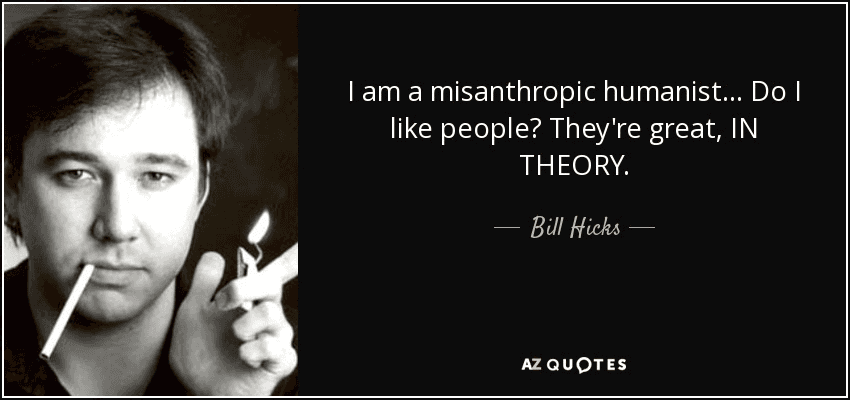
Misanthropy is the general hatred, dislike, or distrust of the human species, human behavior, or human nature. A misanthrope or misanthropist is someone who holds such views or feelings. Misanthropy involves a negative evaluative attitude toward humanity that is based on humankind's flaws. Misanthropes hold that these flaws characterize all or at least the greater majority of human beings. They claim that there is no easy way to rectify them short of a complete transformation of the dominant way of life. Various types of misanthropy are distinguished in the academic literature based on what attitude is involved, at whom it is directed, and how it is expressed. Either emotions or theoretical judgments can serve as the foundation of the attitude. It can be directed toward all humans without exception or exclude a few idealized people. In this regard, some misanthropes condemn themselves while others consider themselves superior to everyone else. Misanthropy is sometimes associated with a destructive outlook aiming to hurt other people or an attempt to flee society. Other types of misanthropic stances include activism by trying to improve humanity, quietism in the form of resignation, and humor mocking the absurdity of the human condition.

Video